Our Minors

Expand your academic experience and gain valuable skills that complement any major. The School of Information Studies offers interdisciplinary minors that help students better understand how information, knowledge, culture, and technology shape our world while preparing them for a wide range of careers and future opportunities.

information studies minor
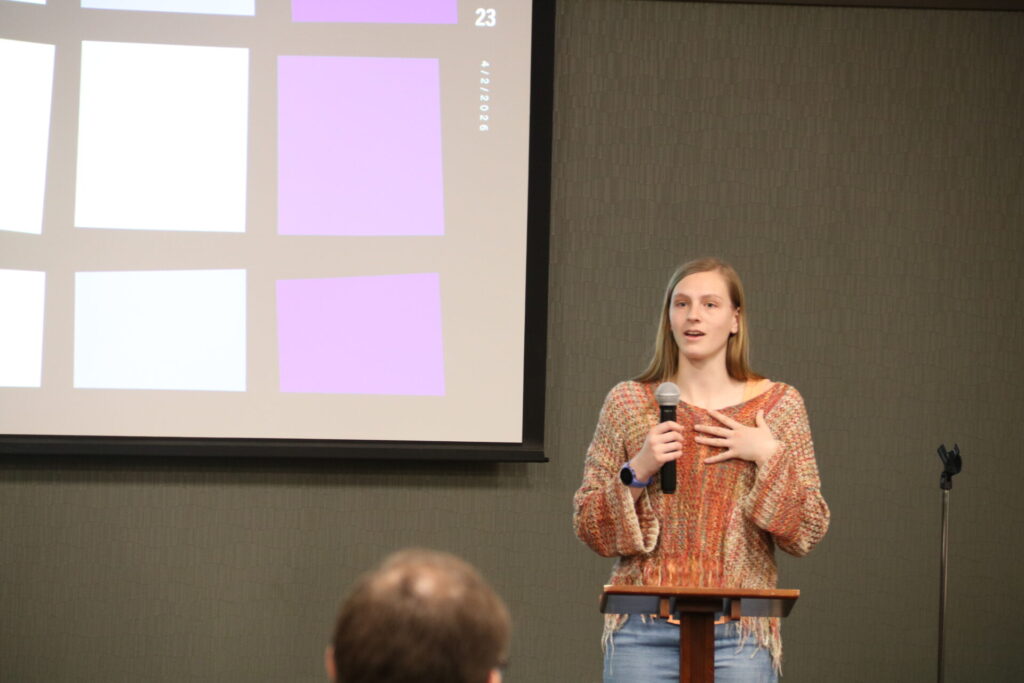
An Information Studies student speaking in front of a crowd

Information Studies Minor

Information shapes how we learn, work, communicate, and make decisions. The Information Studies minor helps students understand the forces driving our increasingly digital world while developing the skills needed to succeed in it.

Open to students from any major, the minor explores topics such as data ethics, misinformation, online culture, intellectual property, and the societal impacts of emerging technologies. Along the way, students learn how to critically evaluate information, make informed decisions, and understand the ethical and social consequences of information systems. Whether you’re pursuing a career in business, technology, government, nonprofits, healthcare, or graduate study, the Information Studies minor provides a valuable foundation for navigating—and shaping—the future of information.

Museum and Archives Studies minor

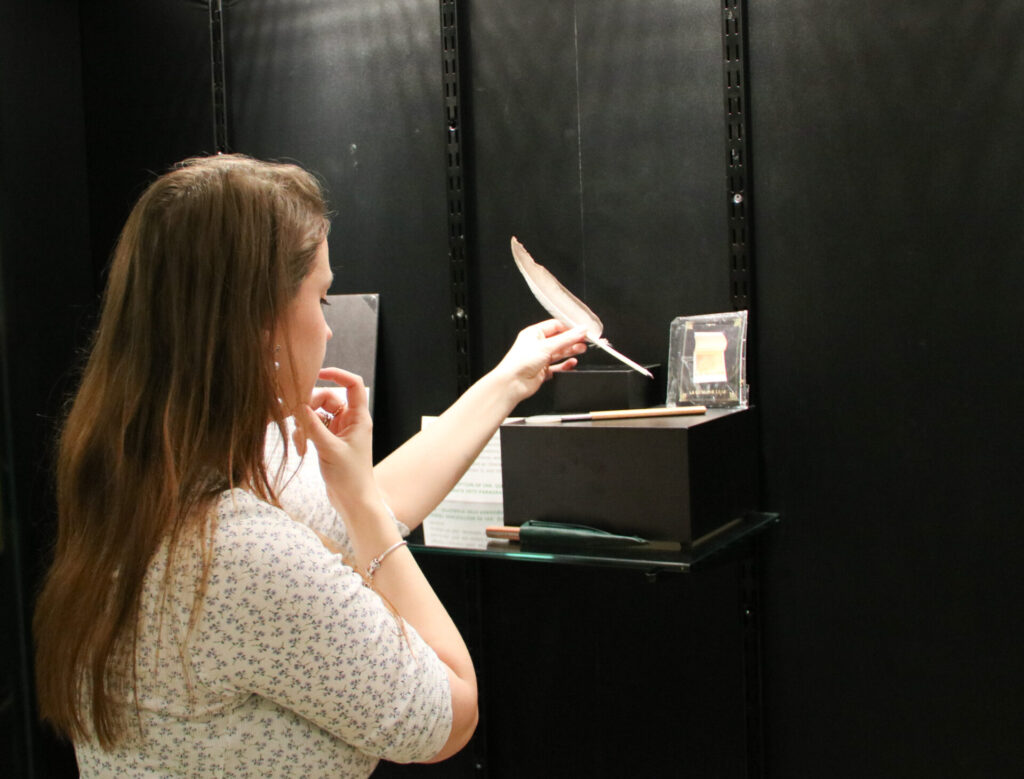
A student placing archival material into a display case

Museum and Archives Studies Minor

In collaboration with the College of Liberal Arts, the Museum and Archives Studies minor gives students the opportunity to explore how museums, archives, galleries, libraries, and special collections preserve, interpret, and share knowledge. Students can complete the minor by taking courses in a variety of disciplines, including Information and Library Science (ILS) courses offered by Purdue Libraries and School of Information Studies. These courses provide foundational knowledge and skills in archival research, collections management, preservation, and information organization.

Open to students from all majors, the minor prepares students for careers in museums, archives, libraries, galleries, and other cultural heritage organizations, as well as for graduate study in these fields.